


How to Prepare for a Fence Estimate in the Rio Grande Valley

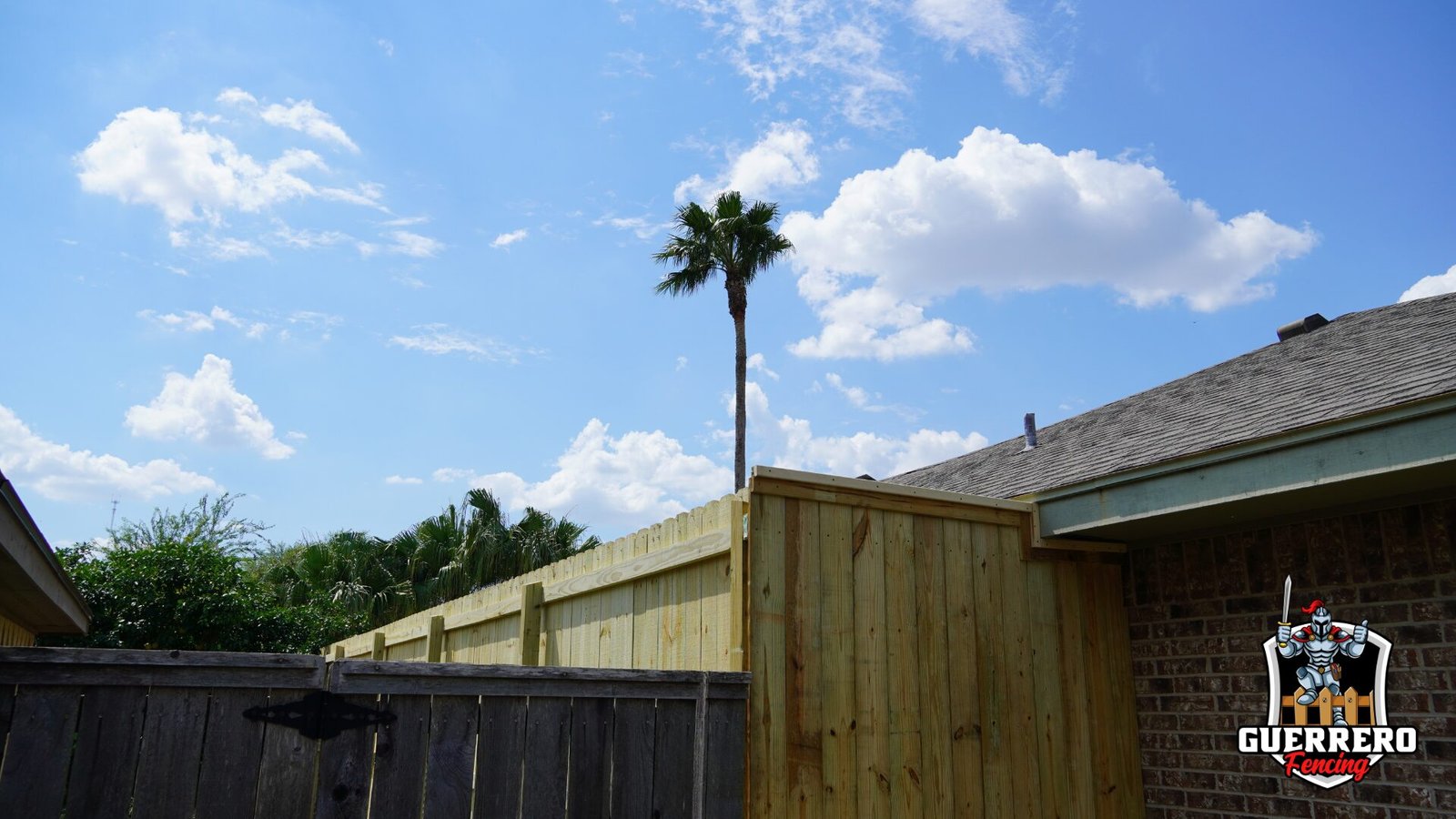
A useful fence estimate starts with the way you want to use your property. Do you need more backyard privacy, a secure area for pets, easier driveway access, or a replacement for a fence that has become difficult to maintain?
Before an estimate visit at your Rio Grande Valley property, gather a few details about your goals, the proposed fence line and your gates. You do not need a finished design. A clear starting point helps you discuss the options and compare written proposals that cover the same work.
Start with the problem you want the fence to solve
Write down your top two or three priorities. Privacy, visibility, appearance, maintenance and access can point toward different choices.
For example, a backyard sitting area may need a solid privacy section, while another part of the property may benefit from open fencing that preserves a view. A dog enclosure also needs attention to gaps, gate latches and the animal’s size and habits. A fence is one part of a safe setup; supervision and routine checks still matter.
Bring a few photos of styles you like. Point out what appeals to you: the height, board layout, color, trim, open pickets or gate design. Photos are more useful when you can explain the feature you want to reproduce.
Gather property information without guessing the boundary
Have your property survey or other boundary documentation available if you have it. An existing fence, mowing line or neighbor’s landscaping may not establish the legal property line.
During the visit, identify the fence sections you want replaced or added. Mark them on a simple sketch and note any sections you intend to keep. If the boundary is uncertain, resolve that uncertainty with the appropriate property records or a qualified survey professional before setting the final fence location.
Also collect any HOA or subdivision requirements that apply to your property. For questions about permits, fence location, height or corner visibility, check with the authority responsible for the property’s address. Do not assume a rule for McAllen also applies in Edinburg, Mission, Weslaco, Harlingen or Brownsville.
Think through every gate
Gate decisions can change both the layout and the estimate. Walk through how you use each entrance today and how that might change later.
- Which entrances are for people, lawn equipment, a vehicle or a trailer?
- What is the widest item that needs to pass through?
- Is there room for a swinging gate to open without hitting a vehicle, landscaping or another structure?
- Does the driveway slope or collect water where the gate would operate?
- Should a gate provide privacy, visibility or a match to the rest of the fence?
If you are considering an automatic gate, ask for a separate discussion of the operator, power supply, controls, safety devices and maintenance. The gate’s movement and an automation system are related decisions, but they are not the same thing. A gate can slide or swing and be operated manually or automatically.
Make the fence line easy to inspect
Before the appointment, arrange safe access to the areas you want evaluated. Secure pets, unlock the relevant gates and point out irrigation, drainage features, retaining walls and other obstacles.
Tell the estimator about buried systems you know of, such as irrigation, landscape lighting or lines serving an outbuilding. Utility locating is a separate step before excavation. Texas811 provides the current process for requesting utility marking, and privately owned lines may require separate locating. Discuss who will arrange the required steps before any digging begins. See Texas811’s homeowner guidance and private-line information.
You do not need to dig holes or remove fence sections to prepare for an estimate. Photos can help show a problem in an area that is difficult to access safely.
Ask what the written estimate includes
Two proposals can list the same fence length and still describe very different projects. Ask for enough detail to understand the scope:
- Fence layout: Which sections, approximate lengths and heights are included?
- Materials: What material, product or grade is proposed for posts, rails, panels or pickets?
- Gates: How many, what opening sizes and which hardware or operators?
- Existing fence: Is removal included, and what happens to the old materials?
- Site conditions: How will slopes, roots, concrete or difficult access affect the work?
- Finish: Is staining, sealing, painting or another finish included?
- Schedule: What must happen before installation can be scheduled?
- Follow-up: What care instructions and written warranty terms, if any, apply?
Ask the contractor to explain exclusions and assumptions. A clear allowance or unresolved question is easier to handle before you choose a proposal.
Share your budget and timing goals
A budget range helps the conversation focus on practical options. If the first design exceeds the amount you want to spend, ask which changes would make the biggest difference: layout, height, material, decorative details or the number of gates.
For timing, explain any real deadline, such as a move, a pet arriving or another project that needs to happen first. An estimate visit is not necessarily an installation reservation. Ask how material availability, approvals, site preparation and weather could affect the next steps.
Compare equivalent work before comparing totals
After each visit, keep the proposal, layout notes and answers together. If one quote leaves out demolition or a gate included in another, ask for clarification rather than assuming the lower amount represents the same project. The goal is a fence that fits the property and a scope you understand before work begins.
Plan your fence project with Guerrero Fences
Guerrero Fences offers fence and gate services in the Rio Grande Valley. Explore wood fencing, chain link fencing and custom gates, then request an estimate with your project address and a short description of what you need. You can also call (956) 904-0308.